
Inflation explodes
Stocks tank and market nosedive
Here are 5 factors that will boom or doom the economy 👇🧵

Macro Pulse Update 14.10.2023, covering the following topics:
1️⃣ Macro events for the week
2️⃣ Bitcoin Buzz Indicator
3️⃣ Market overview
4️⃣ Key Economic Metrics
5️⃣ Euro Spotlight
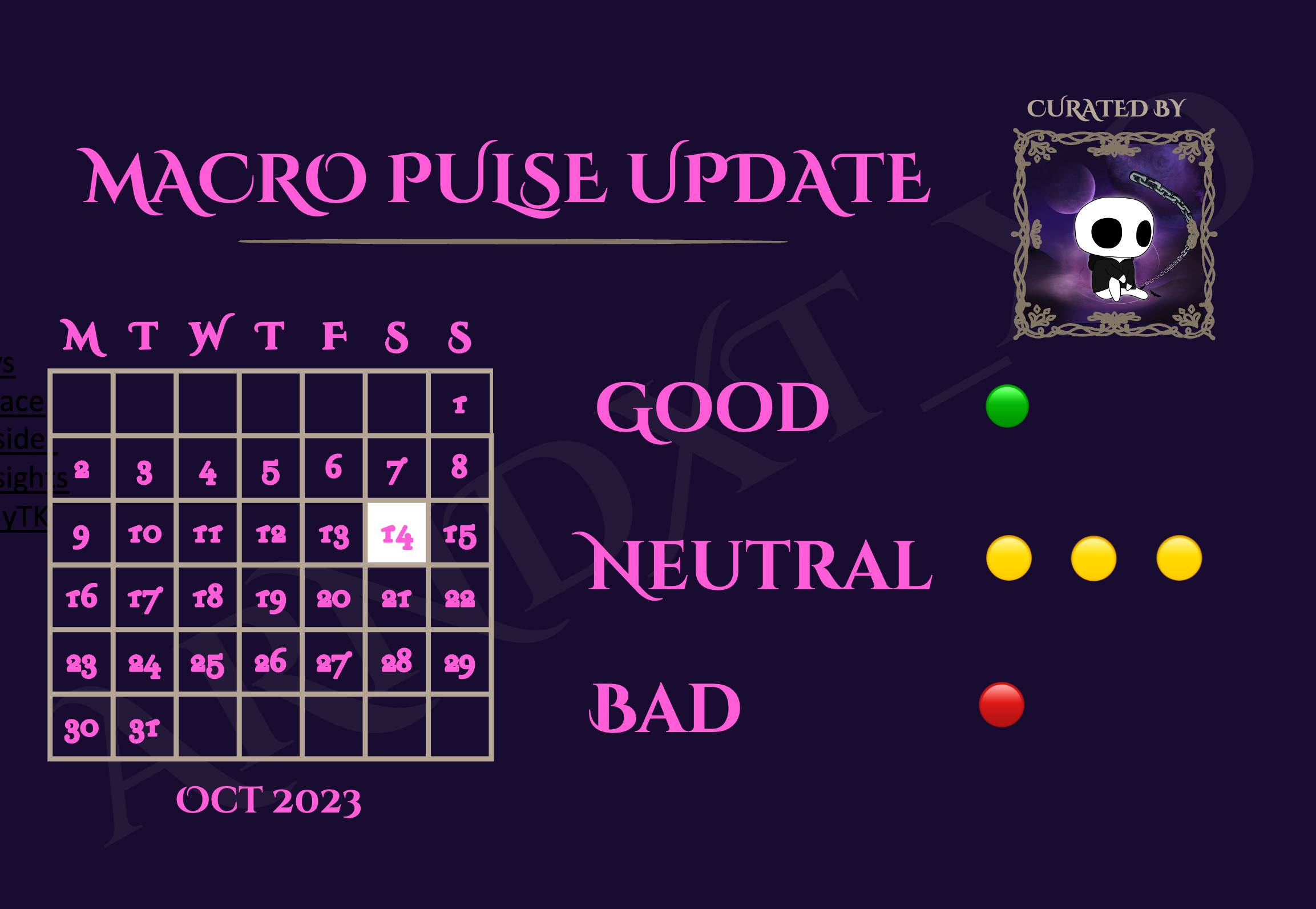
1️⃣ Macro events for the week
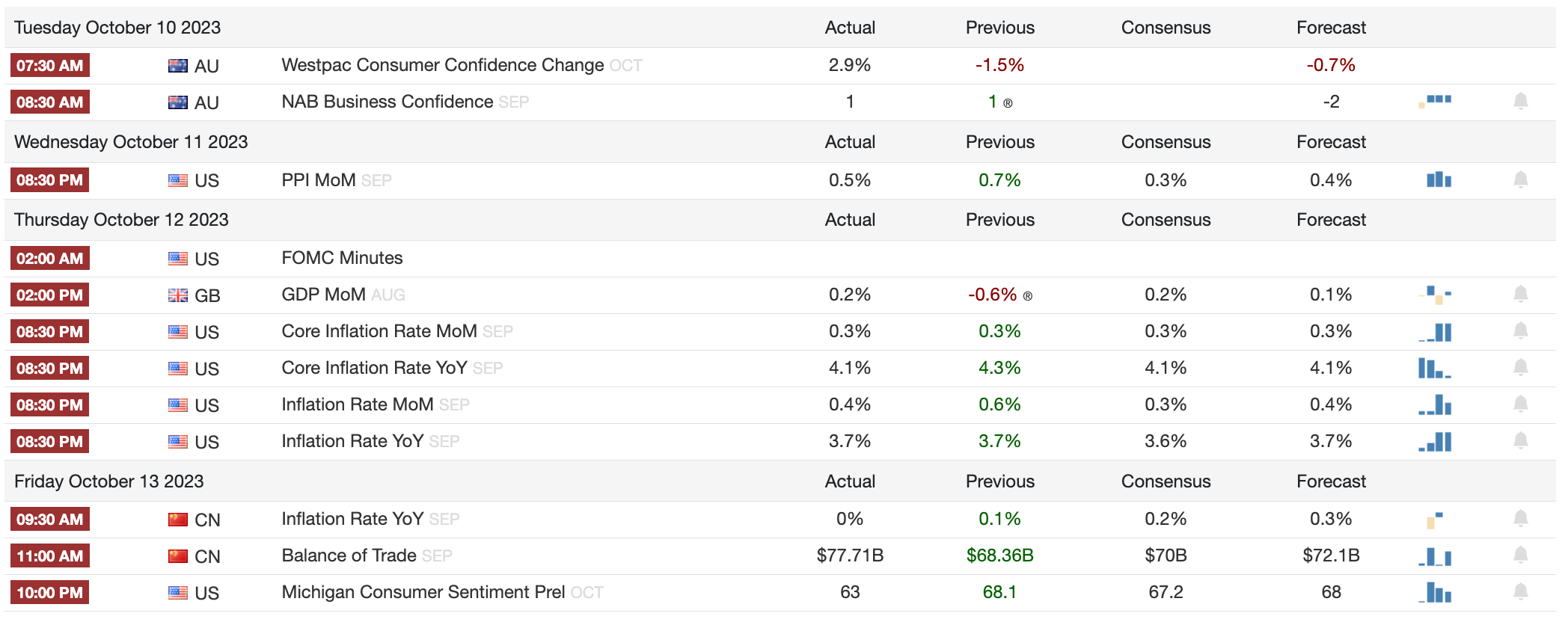
Last Week
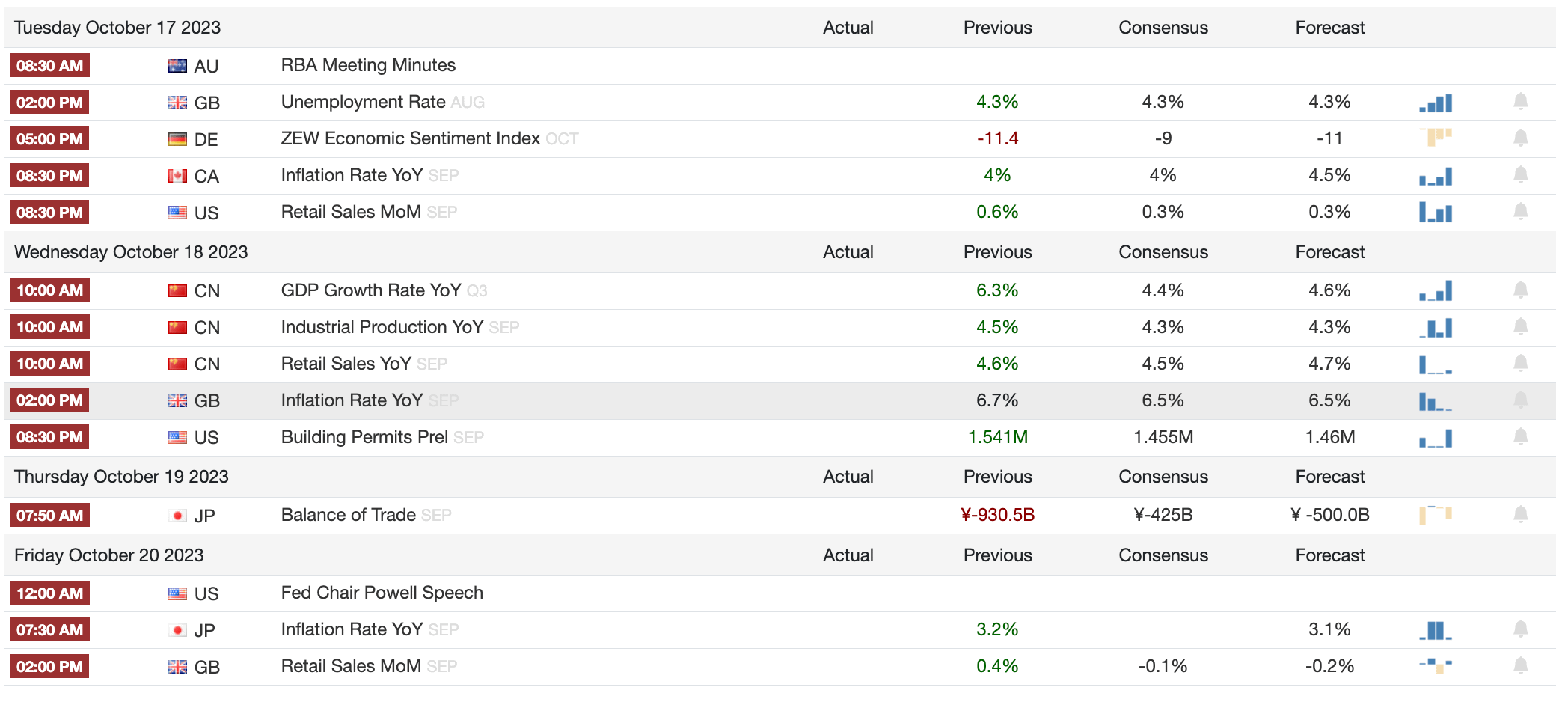
Next week

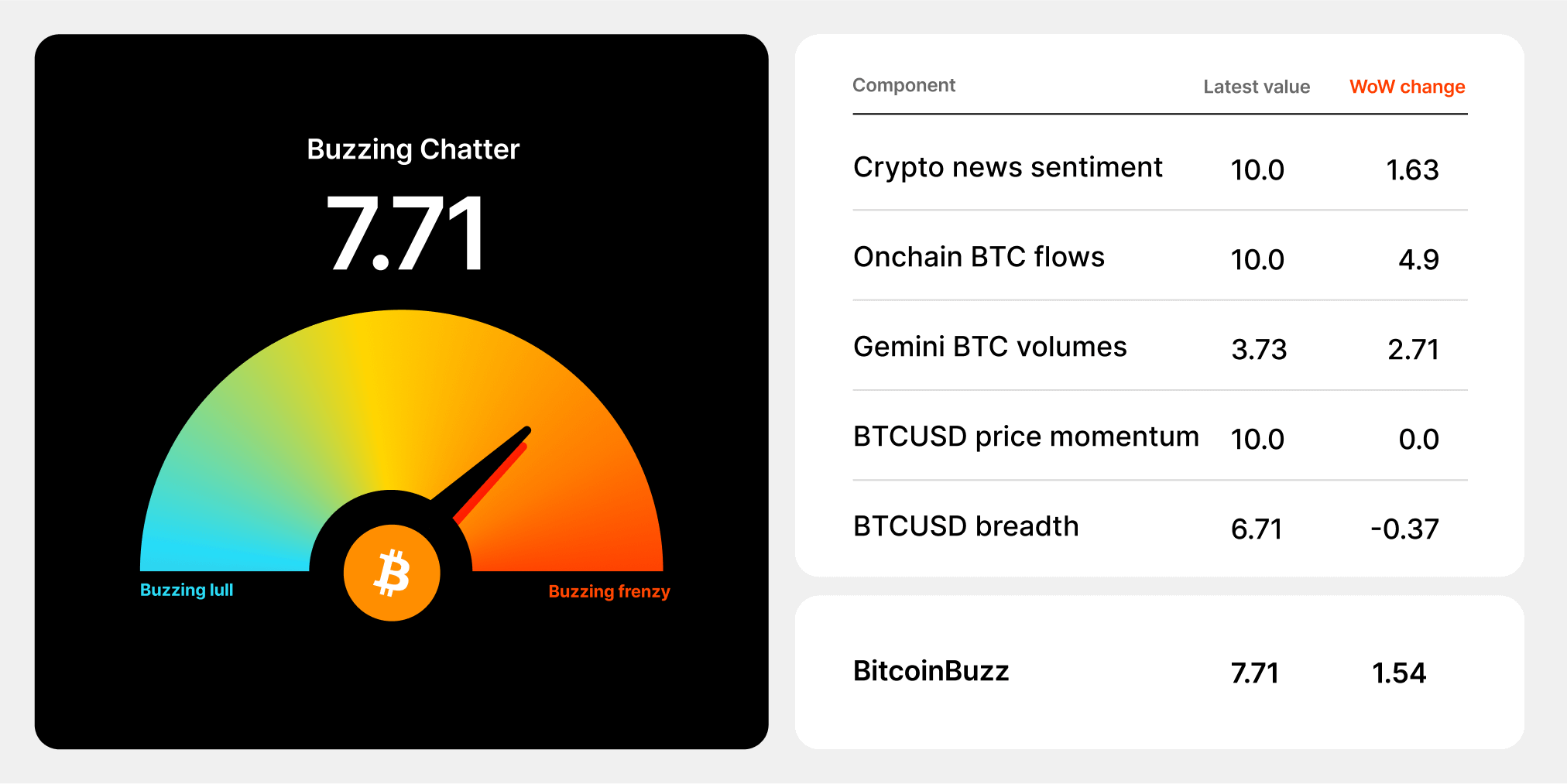
2️⃣ Bitcoin Buzz Indicator
Breaking Scandals and Legal Issues
FTX Scandal Rocks the Crypto World
Binance Navigates Regulatory Maze and Humanitarian Aid
Market Health and Currency Trends
Ethereum's Mixed Signals on Market Health
USDR Stablecoin Crashes Amidst Liquidity Crisis
Banking and Financial Innovations
JPMorgan's Blockchain Milestone in Collateral Settlement
Mastercard's CBDC Tokenization Revolution
CoinList Unveils Staking Fund Amid Regulatory Complexity
Market Dynamics and Volume
HTX Market Share Revives After China Ban
Crypto Wallets and Payment Processors
MetaMask Adds Stripe for Easier Crypto Onboarding
Leadership and Company Strategy
Paolo Ardoino Ascends as Tether's New CEO
High-Profile Sales and Trading
Record-Breaking CrypToadz NFT Sale Raises Eyebrows
Gaming and Entertainment
Blockchain Gaming Investments Dip in Q3
Regulatory Updates
UK Committee Urges NFT and Fan Token Regulation
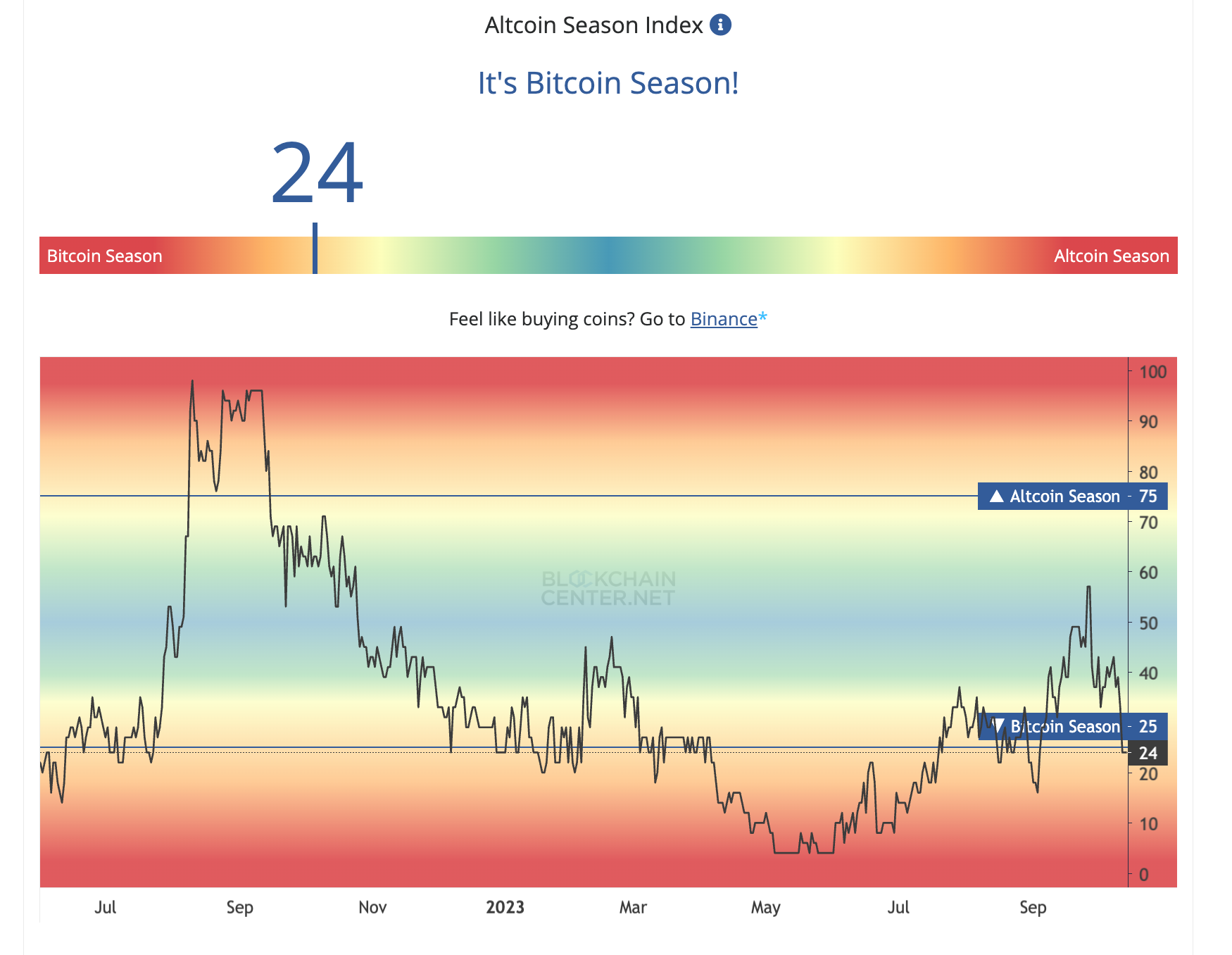
Altcoins
HTX hacker gave back funds, Justin Sun rewarded with 250 ETH
Deribit to launch XRP, SOL, MATIC options in January
Bancor's price surged 70%, trading volume at 19-month peak
Solana's institutional money influx reached 2022 high
Trader Joe's sued crypto project over name, JOE Token plummeted
Circle launched USDC tokens on Polygon
Web3 Foundation earmarked $40M for Polkadot, DOT hit 3-year low
Polygon's ApeCoin DAO pitch questioned for costs
Platypus Finance hit by $2M exploit on Avalanche
Dogecoin's daily transactions dipped to 3-month low
Fortnite's BRICK token spiked 80% in a day
Terraform Labs blamed Citadel Securities for stablecoin fall
Flare Network burned 2.1B FLR for ecosystem health
THORChain rose 8%, THORSwap resumed trading
Frax Finance's staking vault pulled in $30M, FXS stable
FriendTech added two-factor authentication after sim-swap risks
WOO Network repurchased shares from bankrupt Three Arrows Capital
Immutable partnered with Amazon on cloud gaming evolution
Lido's $4M Arbitrum grant split community, faced $30K Ethereum penalty
SSV Network's value tanked as founder joined Israeli Army
Stars Arena reclaimed 90% of stolen funds, offered $257K bounty
BarnBridge DAO complied with SEC ruling
Uniswap rolled out Android Ethereum Wallet
GMX secured biggest share of $40M Arbitrum Grant
Ex-Voyager CEO Steve Ehrlich faced U.S. lawsuits for fraud and misleading customer safeguards
3️⃣ Market overview
Inflation remains a key concern globally, impacting monetary policy and asset prices.
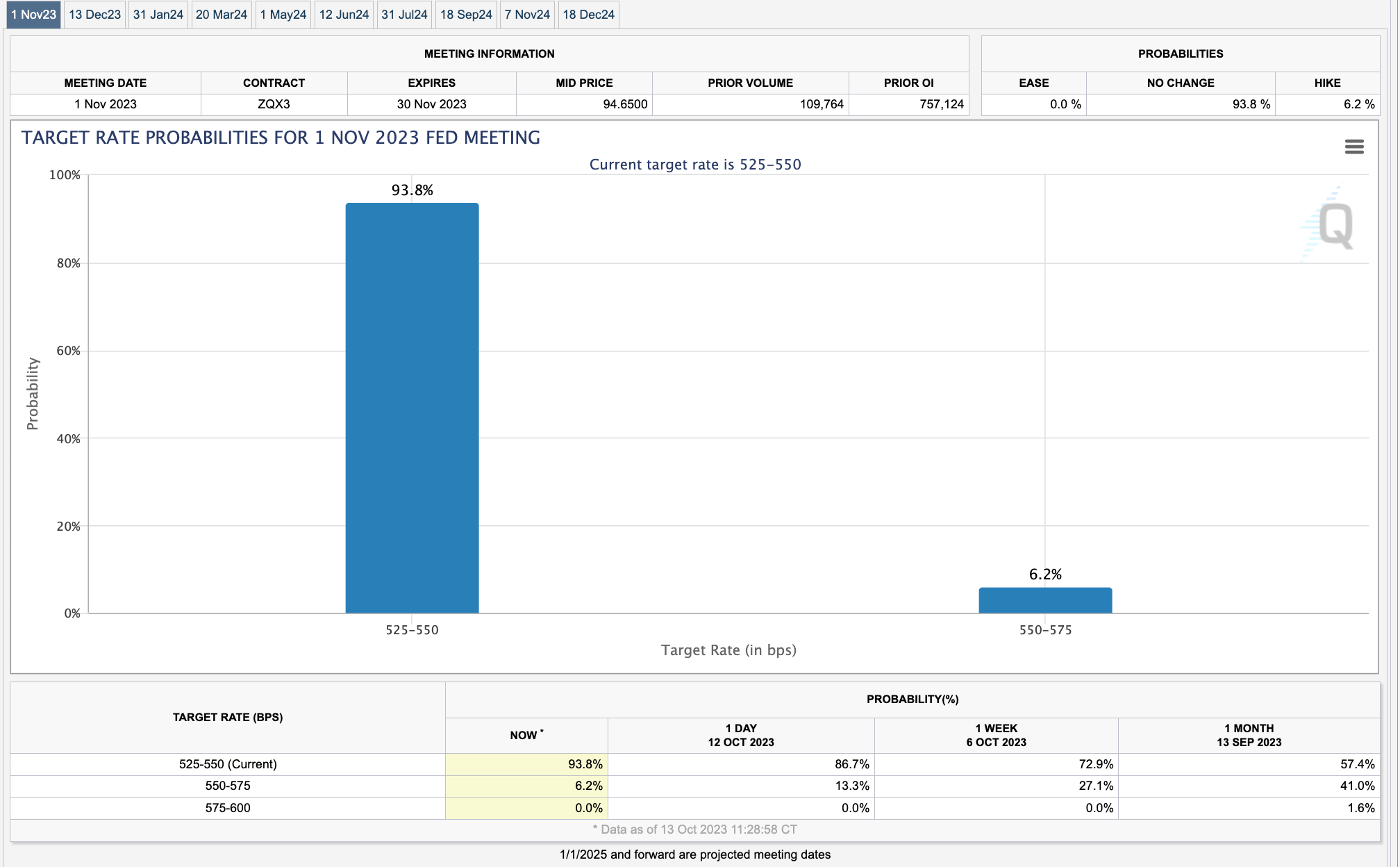
U.S. inflation remains elevated, with the September CPI report showing a 0.3% rise in core inflation. This aligns with the Fed's stance on maintaining higher interest rates to combat inflation. Markets are split on whether the Fed will hike rates again at their November meeting.
Singapore's Q3 GDP grew 0.7% year-over-year, outpacing Q2 growth. The construction sector drove this expansion, while manufacturing declined. Services saw mixed results.
U.S. stocks declined on inflation concerns and rising yields, with the DJIA, NASDAQ, and S&P 500 all dropping. Asian indices also retreated, including Japan's Topix, South Korea's Kospi, Hong Kong's Hang Seng, and China's CSI 300.
4️⃣ Key Economic Metrics
🟡 Immigration and lagging effects of prior hikes may impact Fed decisions on further rate increases to cool wage inflation, despite the strong job market. The path forward remains unclear.
The US job market continues to be strong, with 336,000 jobs added in September - the most since January. Unemployment held steady at 3.8%.
Wage growth is easing somewhat, but not as much as the Fed would like. The Fed wants to see wage inflation come down more to help reduce overall inflation.
Immigration is accelerating and contributing significantly to job growth, especially in sectors like healthcare and hospitality. This could help increase labor supply and reduce wage pressures.
The Fed has been signaling it wants to weaken the labor market to suppress inflation. The strong September jobs report suggests the Fed may need to take further action through additional interest rate hikes.
However, policy acts with a lag and rate hikes to date are already slowing housing and other activity. The Fed may decide not to raise rates further, especially if upcoming inflation data is positive.
There is uncertainty about how the Fed will interpret the data and whether additional rate hikes are imminent or not. The jobs report increased market expectations for a rate hike before year-end.
🟡 Volatility reflects policy and growth dynamics across major economies. There are both benefits and risks from the currency and rate moves. Ongoing rises in yields bear monitoring for broader economic impacts, while currency pressures may lead to further policy responses.
Bond yields have been rising across major economies, reflecting optimism on growth and expectations for extended tight monetary policy.
In the US, the rise in yields may also reflect concerns about fiscal sustainability given high deficits.
Higher yields can negatively impact business investment, housing, asset prices and consumer spending if the rise continues.
The high US yields have strengthened the dollar as investors seek the returns and safety of US bonds.
This has pressured other currencies like the euro and yen downwards, though yen depreciation has been limited by threats of intervention.
Dollar strength helps suppress US inflation through lower import prices, but could hurt export competitiveness longer-term.
Weaker currencies in Japan and Europe can exacerbate inflationary pressures there.
🟢 Oil price rollercoaster has been driven by supply factors rather than demand, but prices now seem headed lower which could ease inflation pressures if the decline persists.
Oil prices have fallen recently after surging 30% from late June to late September.
The earlier rise was driven by supply cuts by Saudi Arabia and Russia rather than demand growth. This boosted gasoline prices and inflation.
Prices are now declining as investors expect further weakening of demand due to economic slowdowns and high interest rates.
Investors are also uncertain if OPEC will be able to agree on additional cuts needed to prop up prices.
Poorer OPEC members may also cheat on any new production cut agreements, putting downward pressure on prices.
Further oil price declines are more likely than increases, which would be positive for lowering inflation and supporting economic growth.
Falling prices could influence central bank policy choices and reverse the temporary inflation impact seen in recent months.
🟡 High mortgage rates have severely dampened housing market activity, but some related spending may rotate to other sectors. The housing decline is a headwind for the broader economy.
Mortgage applications for home purchases fell 6% last week and are down 22% from a year ago due to high mortgage rates.
Purchase applications are at their lowest level since 1995 indicating very weak demand.
Refinancing applications also declined as rates reduce incentives to refinance.
Weak mortgage demand is affecting home prices - prices are rising due to low supply as existing homeowners are hesitant to sell and buy with high rates.
Lower housing transactions spill over to related industries like appliances, furniture, home improvement that rely on housing activity.
However, some household spending may shift to services like travel and dining if housing purchases are postponed.
Home improvement spending may also rise as households upgrade rather than move.
5️⃣ Euro Spotlight🔴
Eurozone retail sales continue to weaken even with positive wage and employment trends, highlighting high inflation and interest rate impacts on consumer behavior and the broader economy.
Real retail sales in the Eurozone have been declining since late 2021, including a 1.2% drop in August versus July.
Sales fell across major categories like nonfood merchandise, food, online, and automotive fuel as high petrol prices hurt discretionary spending.
This indicates weakening consumer demand despite rising wages and low unemployment.
Falling home prices in the Eurozone for the first time in 10 years, due to high interest rates, also hurt sales through lower housing turnover and household wealth effects.
Sales declines were seen in major Eurozone economies like Germany, France, Netherlands and Belgium in August.
Spain was an exception with a small 0.4% monthly gain.
Twitter: https://twitter.com/arndxt_xo/status/1713152434108018731