
China bubble risks meltdown 🆘
$BTC kissed 30k
4 tell tale signs on where we are heading 👇🧵

Macro Pulse Update 21.10.2023, covering the following topics:
1️⃣ Macro events for the week
2️⃣ Bitcoin Buzz Indicator
3️⃣ Market overview
4️⃣ Key Economic Metrics
5️⃣ China Spotlight
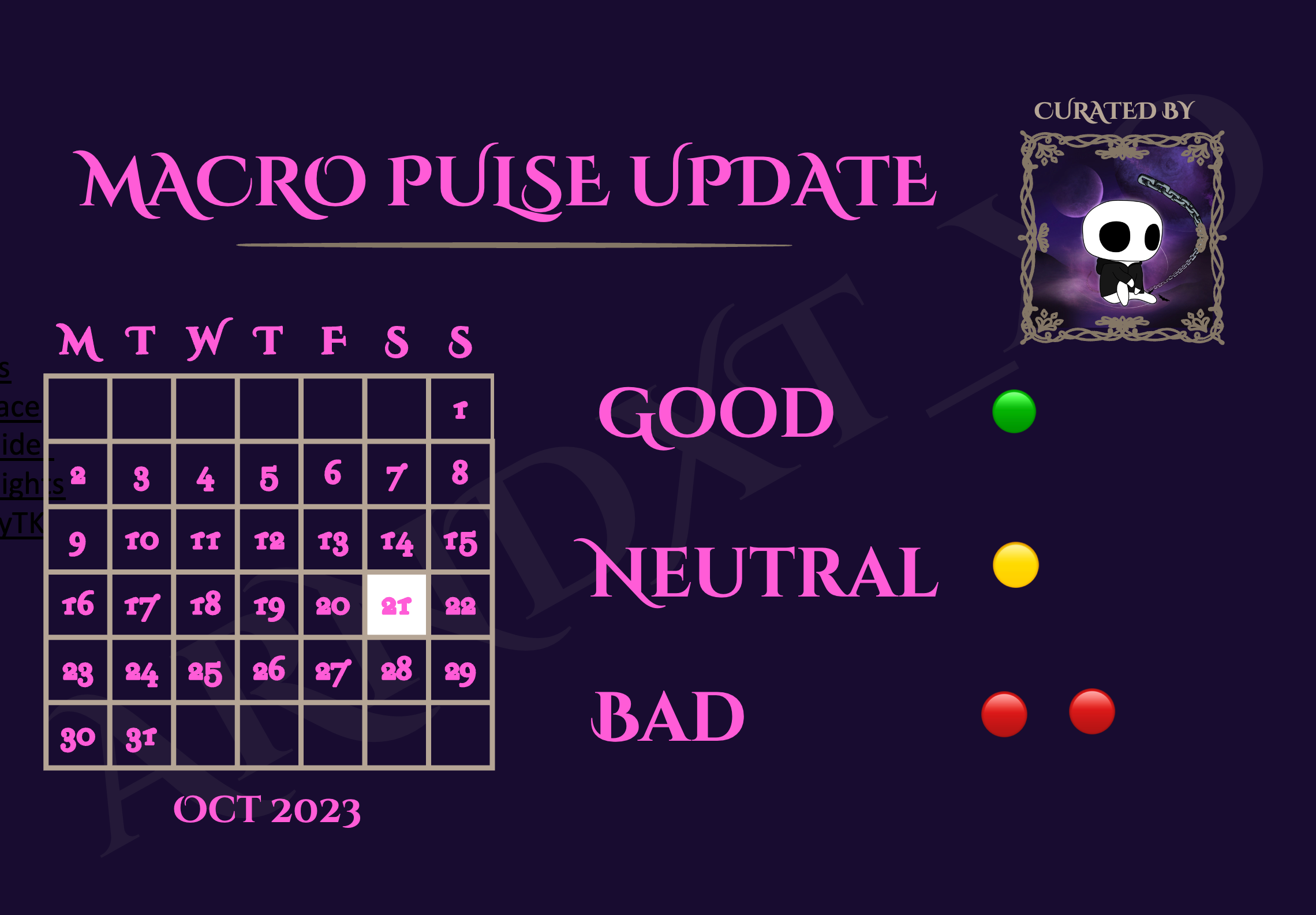
1️⃣ Macro events for the week
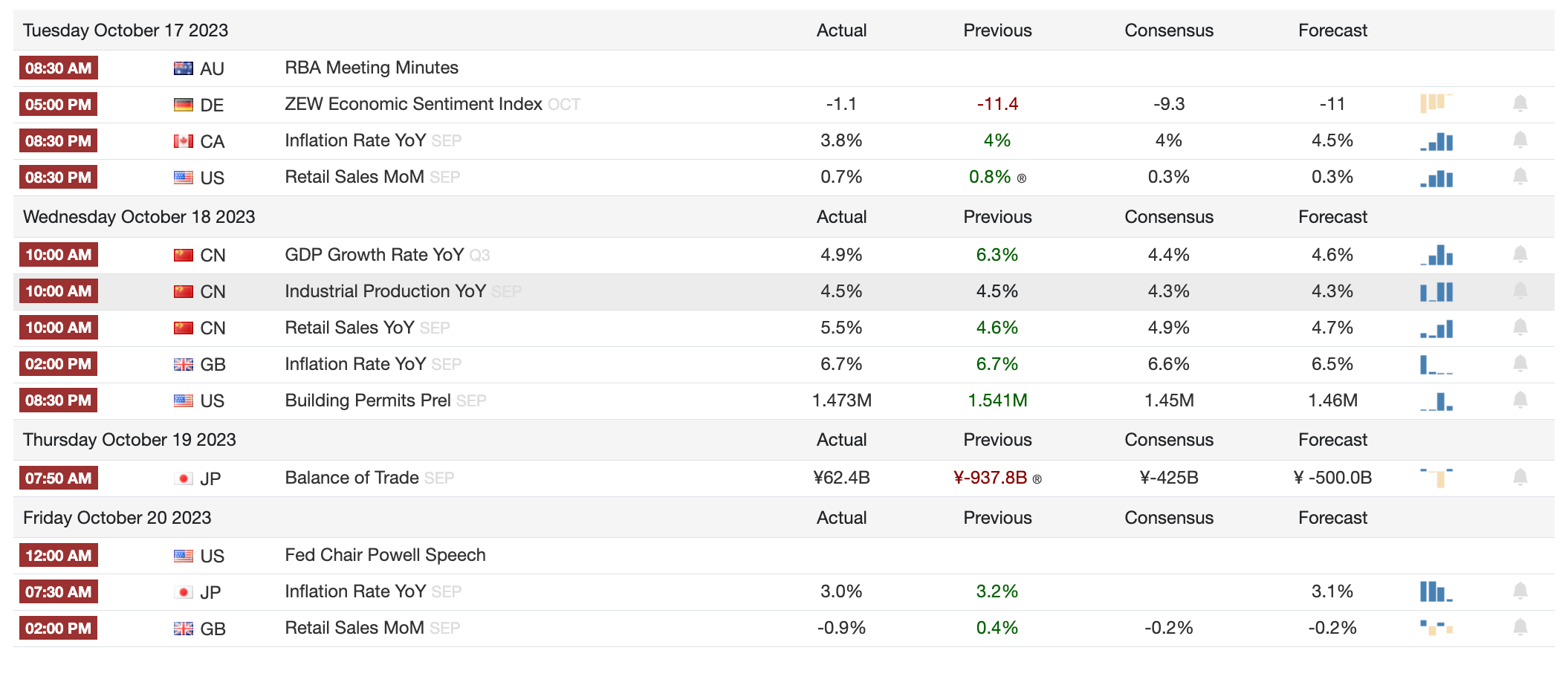
Last week
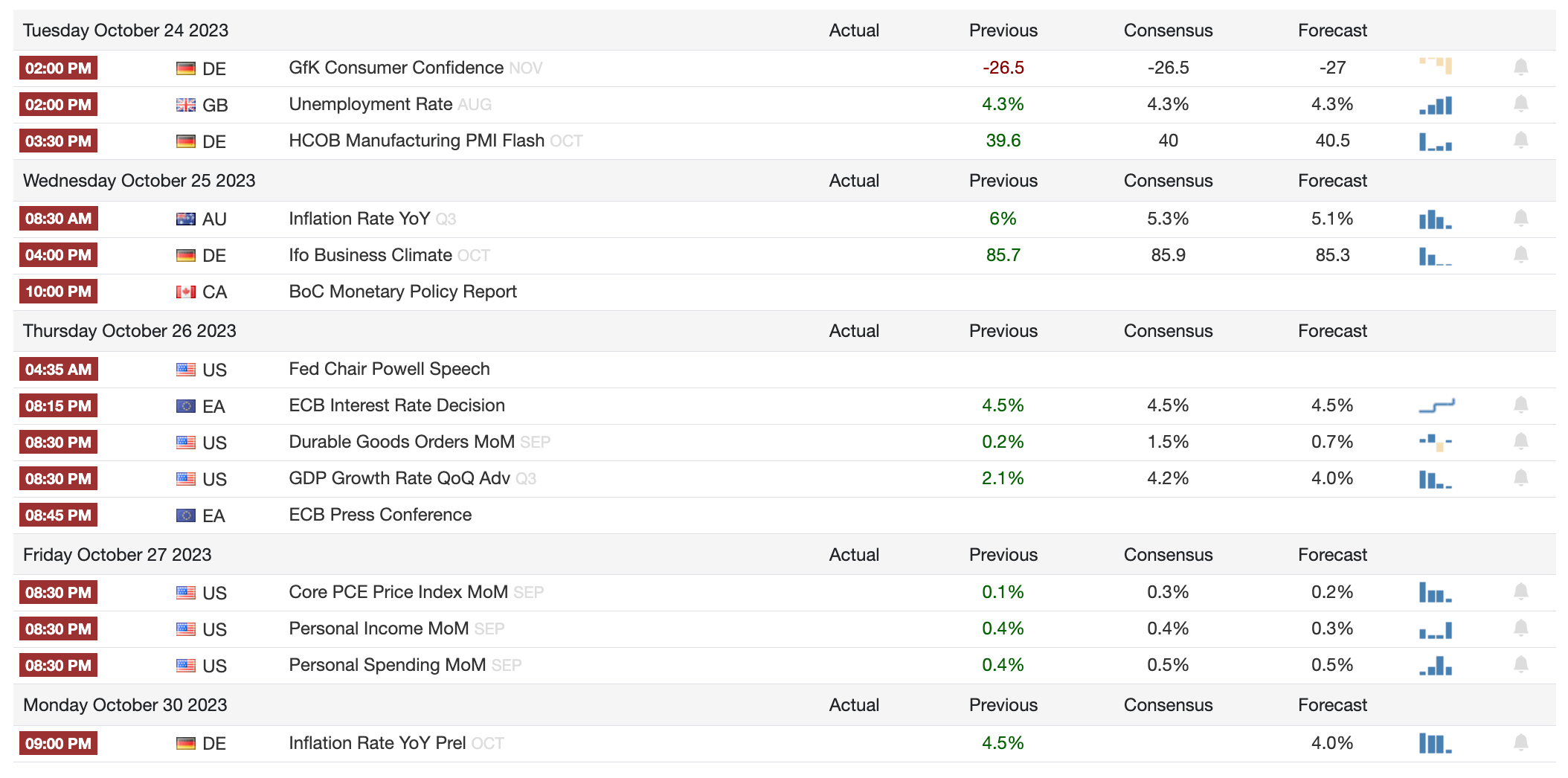
Next week

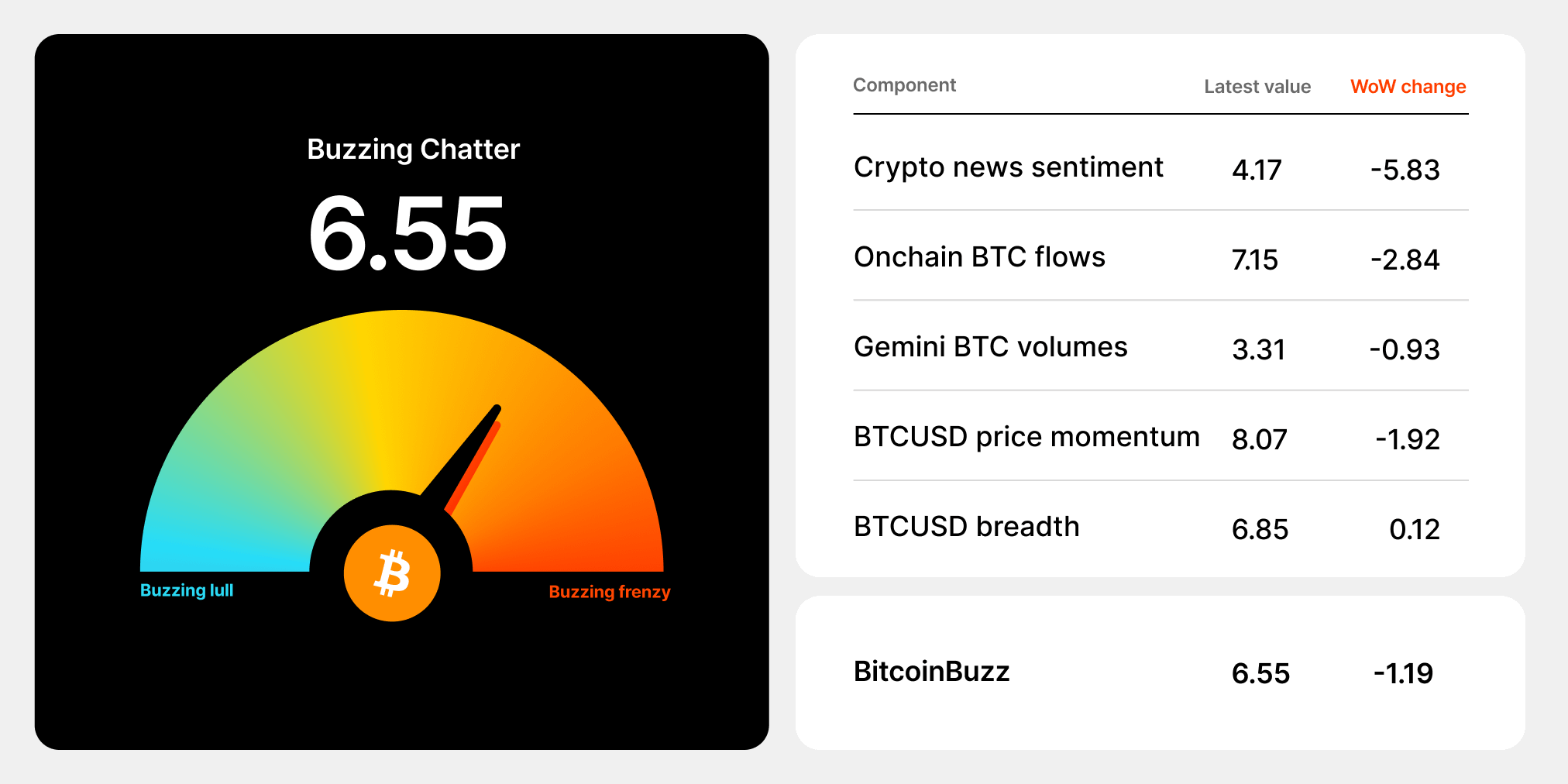
2️⃣ Bitcoin Buzz Indicator
Breaking Market Developments
Bitcoin's ETF Rollercoaster Sparked by Fake News
Reddit's Community Points Program Comes to an Abrupt End
Fidelity Revamps Bitcoin ETF Amid Regulatory Hurdles
Ripple Celebrates Legal Victories Against the SEC
Regulatory and Legal Landscape
Binance Faces UK Regulatory Speedbump
NY Attorney General Targets Gemini and Affiliates
Financial Institutions and ETFs
ECB Takes Next Step in Digital Euro Rollout
Ferrari Jumps on the Crypto Payment Bandwagon
Crypto Exchanges and Platforms
LBRY Inc. Closes Shop Under Financial Strain
Binance Market Pulse: Q3 2023 Crypto Overview
NFTs and the Metaverse
France's Sorare Law Aims to Regulate Crypto Games
Yuga Labs Restructures for Metaverse Push
OMA3 Fights for NFT Creator Royalties
Upland Boosts Funding for Web3 Metaverse Expansion
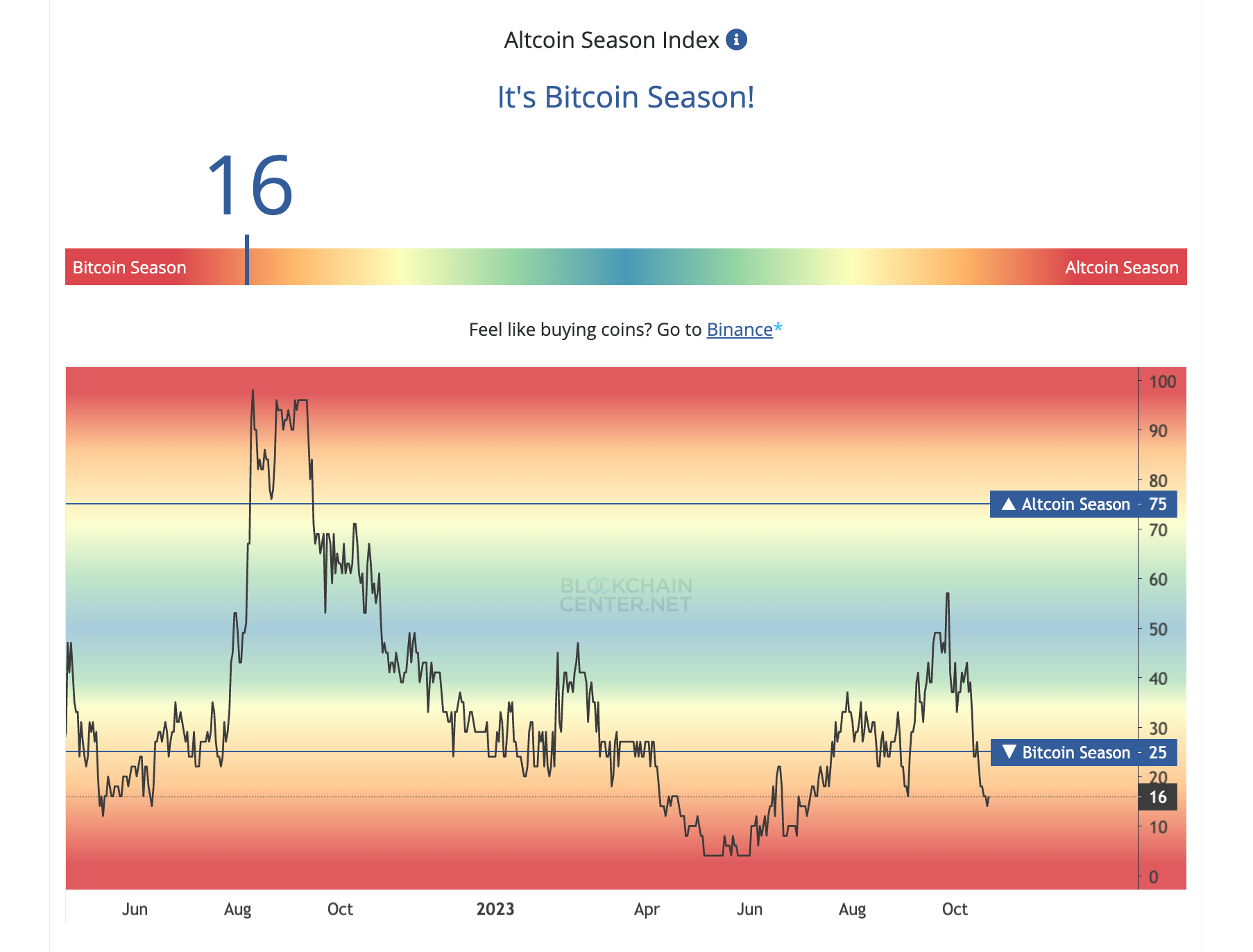
Altcoins
Manta Pacific shifted from Optimism to Polygon's zkEVM as Layer 2
Uniswap levied 0.15% fee for web and wallet token swaps
Internet Computer's Dfinity developed carbon credit-inspired waste management tech
BSV spiked due to the Bitcoin ETF anticipation and Binance's BSV Futures listing
Upbit secured preliminary 'in-principal' approval in Singapore
Solana joined as a partner in Dubai's free zone ecosystem
Haru Invest paused its server in crypto yield platform
TrueUSD exposed client blockchain addresses in third-party security breach
Tether halted $873K USDT over Ukraine, Israel terrorism links
Platypus Finance reclaimed 90% of exploited assets
Roblox refuted accepting XRP for in-game buys
Lido Finance terminated Solana staking following DAO vote
BNB Chain unveiled Greenfield mainnet for decentralized storage
Immutable postponed $67M token vesting by a year
Everscale (EVER) plunged 20% amid token theft rumors
SUI reached record low as Foundation dismissed token manipulation claims
Floki devs pitched staking and utility token strategies
Starknet and zkSync resisted dev decline, contrary to 28% industry drop
German regulator cautioned against MEXC's crypto custody
Aptos faced 5-hour outage on its blockchain's first anniversary
Circle introduced smart contract and gas abstraction tools for web3
Coinbase made layer-2 network Base open-source
Maker's annual revenue skyrocketed past $200M to a record high
Google Cloud teamed up with MultiversX to bolster Web 3 footprint
3️⃣ Market overview
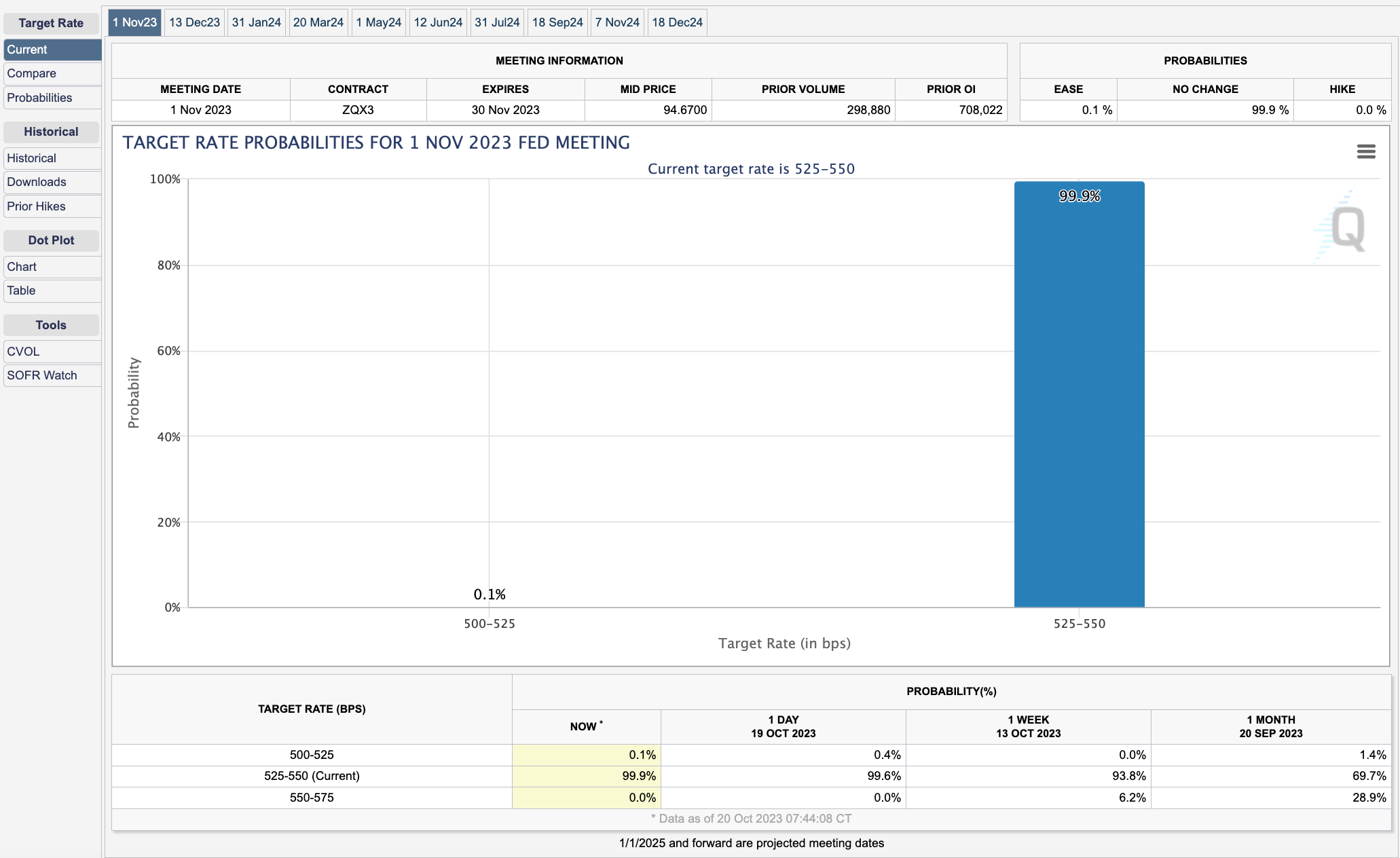
Fed is poised to hold rates steady but keeps further hikes on the table amidst mixed economic data. Markets remain cautious and volatile given uncertainties around the interest rate outlook. Key indicators like jobs, consumer spending and housing are being closely watched.
The Federal Reserve is likely to keep interest rates unchanged at its upcoming meeting, but remains open to further hikes if economic data remains strong. This aligns with market expectations.
Long-term Treasury yields rising reduces the need for more rate hikes, highlighting the importance of financial conditions in shaping Fed policy. The Fed is proceeding cautiously given uncertainties.
Jobless claims falling to a 9-month low signals ongoing labor market strength and economic momentum despite rate hikes. However, the housing market remains weak due to higher mortgage rates.
Stocks fell on Thursday, driven by Tesla's disappointing results, surging yields, and rate-sensitivity concerns. However, some companies like Netflix and American Airlines saw shares rise on positive news.
While the labor market remains strong, concerns about extended Fed rate hikes continue to impact markets. The Fed is data-dependent and watching developments closely.
4️⃣ Key Economic Metrics
🟢 Underlying US inflationary pressures are slowly easing back, though markets and the Fed will be watching labor costs and wages closely for any acceleration that could warrant tighter policy.
Recent US inflation headlines suggested no improvement, but core inflation (excluding food and energy) fell to 4.1% in September from 4.3% in August. This shows gradual progress.
Energy prices rebounded in August-September due to rising crude oil prices, but crude has since fallen sharply which should bring down energy inflation.
Core CPI rose 0.3% month-over-month, with most inflation still in services, especially shelter/housing costs. Excluding shelter, overall inflation was just 2%.
Core PPI inflation also stabilized at a lower level, signaling modest upstream price pressures. This bodes well for future CPI.
The Fed is concerned about the tight labor market and labor unrest, but wage growth remains contained for now.
Fed leaders seem biased to leave rates unchanged at the next meeting, and rising bond yields are doing some of their work already.
Core inflation data shows gradual improvement, though services/housing inflation remains high. The Fed will likely focus on whether tight labor markets start accelerating wages. If not, a rate pause is likely, rather than a hike.
🟡 Yields have fallen on growth concerns and shifting rate hike expectations, providing some relief to equities. But risks remain from volatile yields, and the IMF is urging central banks to maintain tight policy to control inflation. Key drivers to watch include geopolitics, economic data, and changing views on monetary tightening.
Here are some reasons why yield fell:
Yields have fallen sharply in the US and globally following the Hamas attack on Israel, due to a flight to safety by investors.
Comments from a Fed official signaling a reduced need for rate hikes given higher yields
Latest inflation data showing some improvement.
Signs of economic slowing in PMI data, despite strong jobs numbers.
Investors now betting the Fed may be nearing the end of this rate hike cycle.
The IMF warned high yields could spark instability as markets reposition, though Yellen sees no dysfunction yet.
Higher yields could strain some banks through lower asset values and defaults.
However, the IMF chief economist called on the Fed to stay the course on tightening given the still-strong economy.
🔴 Germany faces economic stagnation from energy shocks, labor shortages driving inflation, and political tensions over immigration and regulations. Managing these intertwined challenges will be difficult for German policymakers. The economy remains fragile with new risks emerging.
GDP is expected to decline 0.4% in 2023 due to the energy shock from the Ukraine war, which raised gas prices, fueling inflation and tighter ECB monetary policy. This has hurt German industry.
New headwinds include gas supply disruptions from the conflict in Israel/Gaza and possible pipeline sabotage between Finland and Estonia. This may raise gas prices again and shift ECB policy.
Germany also faces a labor shortage, suppressing output despite economic contraction. The pandemic suppressed labor supply which hasn't fully recovered. This is driving up wages and inflation.
The labor shortage is Germany's "most pressing structural problem" per the economics minister. However, tight regulations inhibit migrant workers despite illegal immigration, which is raising political tensions.
5️⃣ China Spotlight🔴
IMF sees China's real estate crisis as a risk to global stability, and disappointing Golden Week data underscores the continued economic challenges. Efforts to restructure the property sector and boost consumer demand remain critical for China and the world economy.
The IMF warned that imbalances in China's residential property market pose risks to China's economy and the global financial system.
Potential problems servicing developer and local government debt could unravel the global economy's soft landing.
The IMF urged action to resolve the sector turmoil and avoid sharp asset repricing. Restructuring of developers is needed.
The IMF downgraded China's growth forecasts to 5% in 2022 and 4.2% in 2023, citing property sector risks.
Weaker commodity demand from China would lower global inflation but hurt commodity exporters.
China's Golden Week holiday failed to significantly boost travel, tourism and consumer spending versus pre-pandemic levels.
Property market weakness continued during the holiday, with new home sales down 20%.
Falling home prices have weakened household wealth and boosted savings over spending.
Twitter:https://twitter.com/arndxt_xo/status/1715708592878489801