

pre-market thoughts 10-06-2026
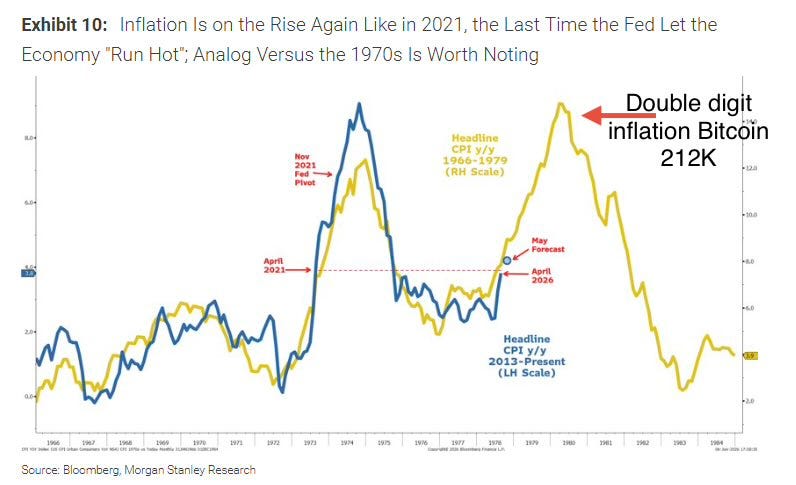
the macro backdrop is not meaningfully different from yesterday.
US yields remain elevated but stable, with the 10Y around 4.53% and the 30Y near 5.01%. for now, the bond market is not sending a fresh shock signal.
that matters because the equity move still looks more flow-driven than fundamentally driven.
[ you get 12% more points boosts and instant upgrade to bronze tier if you trade perps here. ]
√ asia
turning to asia, the key market i am watching is KOSPI. asia has opened weaker, but not in a disorderly way.
KOSPI is down around 3%, which is softer than usual but still better than what the EWY move was implying overnight. Nikkei is also only down roughly 1.2%. given the scale of pressure in US equities, especially in high-beta and crowded longs, asia’s response so far has been more controlled than feared.
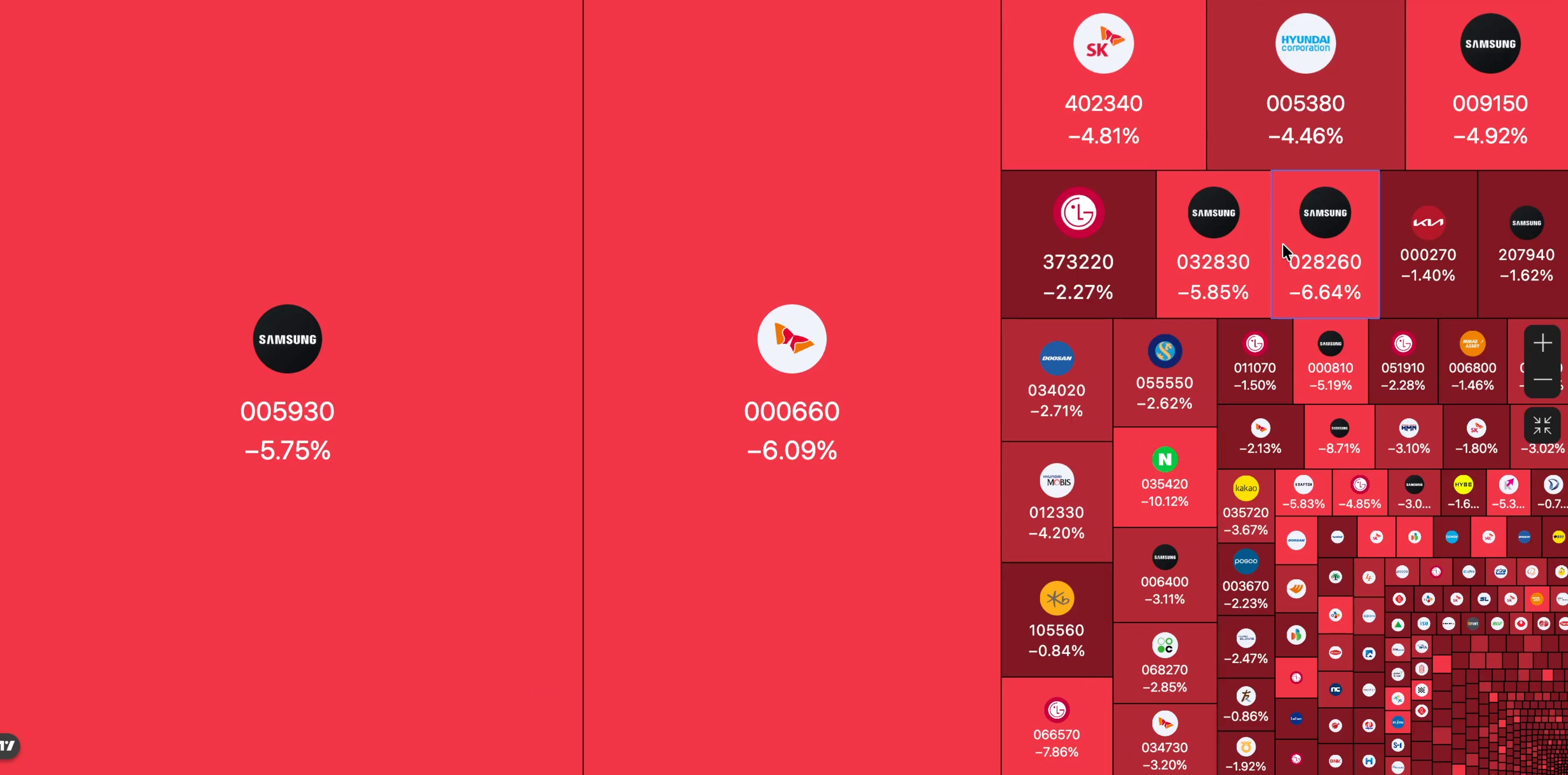
KOSPI has become one of the most important risk barometers in this AI-led market because of its heavy exposure to semiconductors, memory, and korean retail leverage. it is no longer trading like a normal domestic equity index. in this cycle, it behaves more like a leveraged expression of the global AI and memory trade.
the recent move in KOSPI has also been extremely stretched. the index had rallied hard into this pullback, driven by AI optimism, memory recovery, and strong participation from local retail investors. that made the market vulnerable to a sharp air pocket once US tech started unwinding. so weakness should be seen more as a positioning reset after a huge move.
the korean market has been more resilient than expected given the leverage unwind in the US. korean equities are typically more sensitive to retail leverage, so the fact that KOSPI is not breaking down more aggressively suggests the forced-selling impulse is contained for now. retail may have survived another day.
Kioxia also continues to trade well. its strength is consistent with the broader memory theme, even though not every memory-linked stock is behaving equally. SNDK initially showed strong relative performance in the US session before fading some of its gains, which suggests investors still want memory exposure, but they are not willing to chase indiscriminately.
so for now, i see KOSPI as a key confirmation market. if it stabilizes from here, it supports the view that this is still a controlled positioning unwind. if it fails and starts leading asia lower, then the AI risk unwind probably has further to go.
√ US
the key takeaway from the US session was the late recovery in semiconductors. names like SMH, MU, and NVDA staged a strong rebound into the close and nearly finished at the highs of the day. that was not necessarily a sign that the market suddenly became fundamentally bullish again.
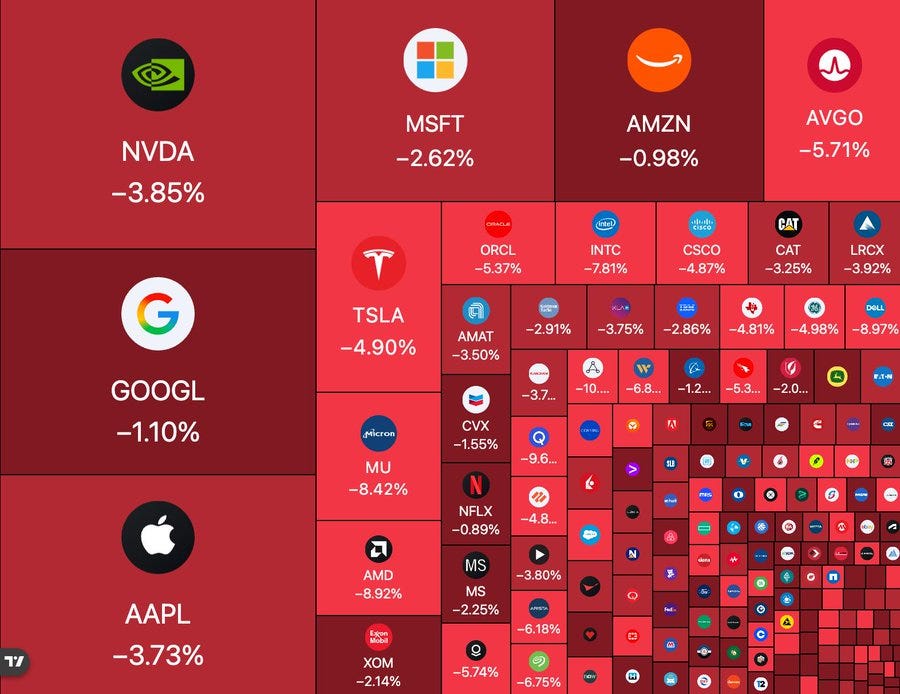
earlier in the session, the downside move likely created a large expected sell imbalance into the close. but because a meaningful portion of the drawdown was recovered before the closing auction, there was less actual selling left to execute. funds that had pre-sold into the expected close imbalance then had to buy back or reduce hedges, which created a net bid into the end of the session.
√ AI, earnings, IPO
within AI and semis, the dispersion remains important. memory, nuclear, neoclouds, and several adjacent AI infrastructure themes continue to show signs of stress, with many names making new local lows. my base case is that these weaker pockets remain challenged through the month. they are likely to underperform both on rallies and on further drawdowns because capital is becoming more selective.
that said, NBIS stands out. the stock tested the low 200s area and held up better than many other high-beta AI names. if the broader market stabilizes, NBIS could be one of the names that sharply outperforms on the next risk-on bounce. the setup is not risk-free, but the relative strength is notable.
the next major event is Oracle earnings. ORCL is important because it sits at the intersection of cloud, AI infrastructure, and capex expectations. the market may use this print as an opportunity to reassess the company’s AI backlog, cloud growth, and financing needs. the key risk is not just whether numbers beat or miss, but whether investors become concerned that Oracle needs to raise capital to fund its AI infrastructure commitments.
on the AI demand side, the release of the Mythos/Fable model is also worth watching. early usage appears to be meaningfully heavier than Opus in terms of token consumption, potentially around 2–3x. if that trend holds, it reinforces the idea that frontier models are still becoming more compute-intensive, not less. that is structurally supportive for compute demand, but it also raises the question of whether the economics can scale smoothly.
SPCX IPO concerns have also been hanging over the market. my view is that the market may have over-discounted this risk. if investors have already positioned defensively around the IPO overhang, then the removal or digestion of that supply could become a positive catalyst rather than a continued headwind. sometimes the event people fear becomes fuel for a rally once the positioning is already too negative.
√ gold, bitcoin
the two assets that still concern me are Gold and Bitcoin.
Gold has been surprisingly weak. what stands out is that it has not performed well in either risk-on or risk-off conditions. that usually means the market is treating it less like a safe haven and more like a source of liquidity or an asset being de-risked. if XAU breaks the prior 4,120 area, the next major support zone looks closer to the 3,800–4,000 range. until Gold can reclaim momentum, it remains vulnerable.
Bitcoin is also not acting well. it continues to hover around the 60k area and has struggled to reclaim the range cleanly. i would not be aggressive shorting here because the risk of a violent squeeze, especially if equities stabilize. but historically, when BTC keeps pressing against the underside of a range without reclaiming it, the eventual resolution is often lower.
semis recovered because of flows, the fundamentals did not change. asia is holding better than expected, which reduces immediate systemic concern. however, weakness in Gold and Bitcoin suggests liquidity conditions are still not fully healthy.
for now, i would avoid treating every bounce as confirmation that risk is back. strong relative names can still work, but weak themes making new lows should continue to fade until they prove otherwise.

