

The battle for scalability supremacy intensifies 👑
@OptimismFND’s end-game potentially unlocks a revenue of $100M/year.
About the Superchain Thesis 🧵👇
🔷 What is the Optimism Superchain? 🔷
For a pleb head like myself, I probably only want to know what it will mean for a end-user.
The Superchain will create a perfect end state where the entire internet and huge apps like Twitter, YouTube can run on blockchain.
But how? Read on…
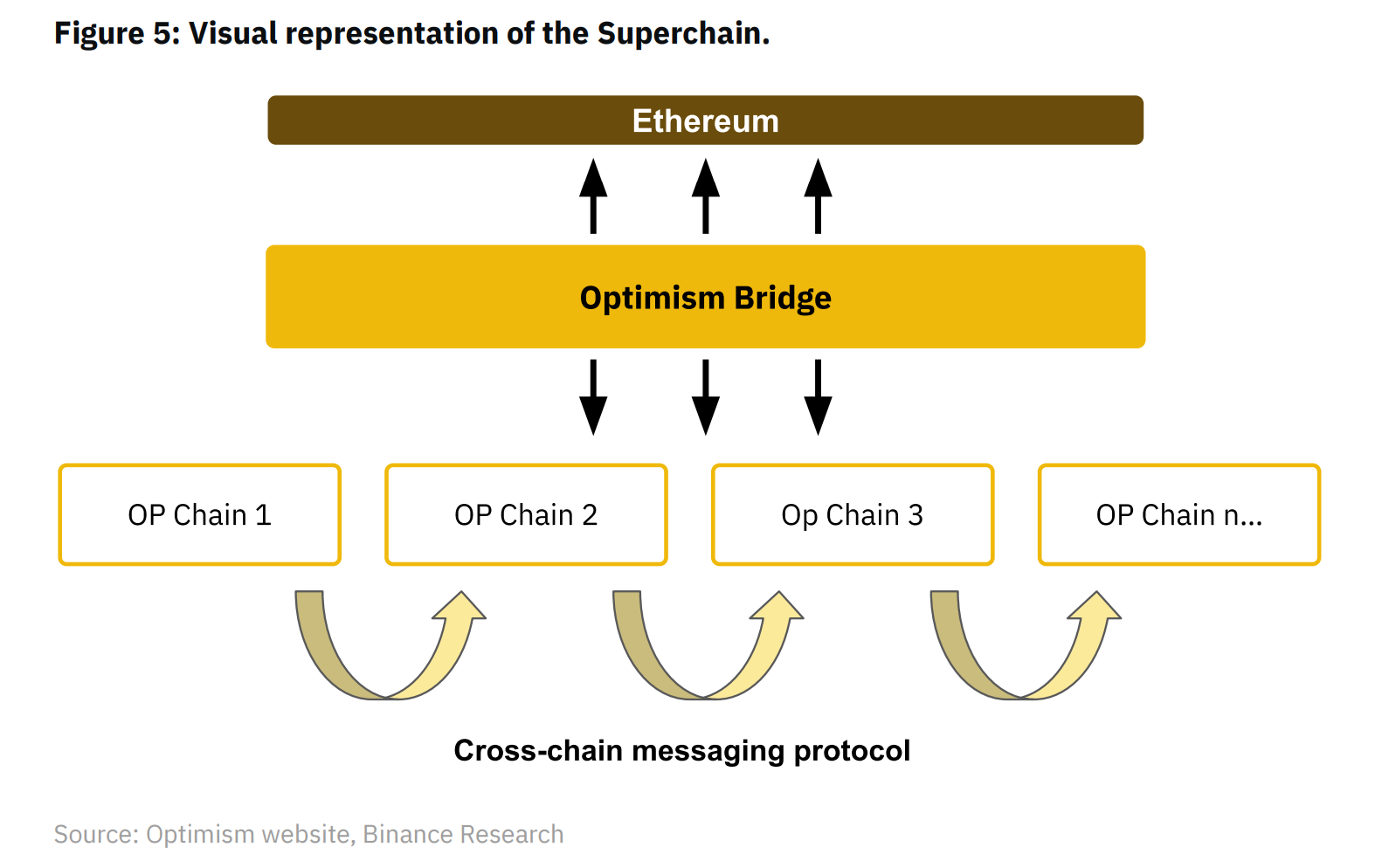
The Optimism Superchain is
a network of unified blockchain chains
built using the same open-source technology stack called the OP Stack.
These interconnected OP chains share common security and communication protocols. So, they are able to seamlessly interoperate without needing
bridges or
switching between networks.
Optimism Superchain seeks to unify currently fragmented Layer 2 chains into a singular, interconnected web to provide a more seamless user experience and aid crypto adoption.
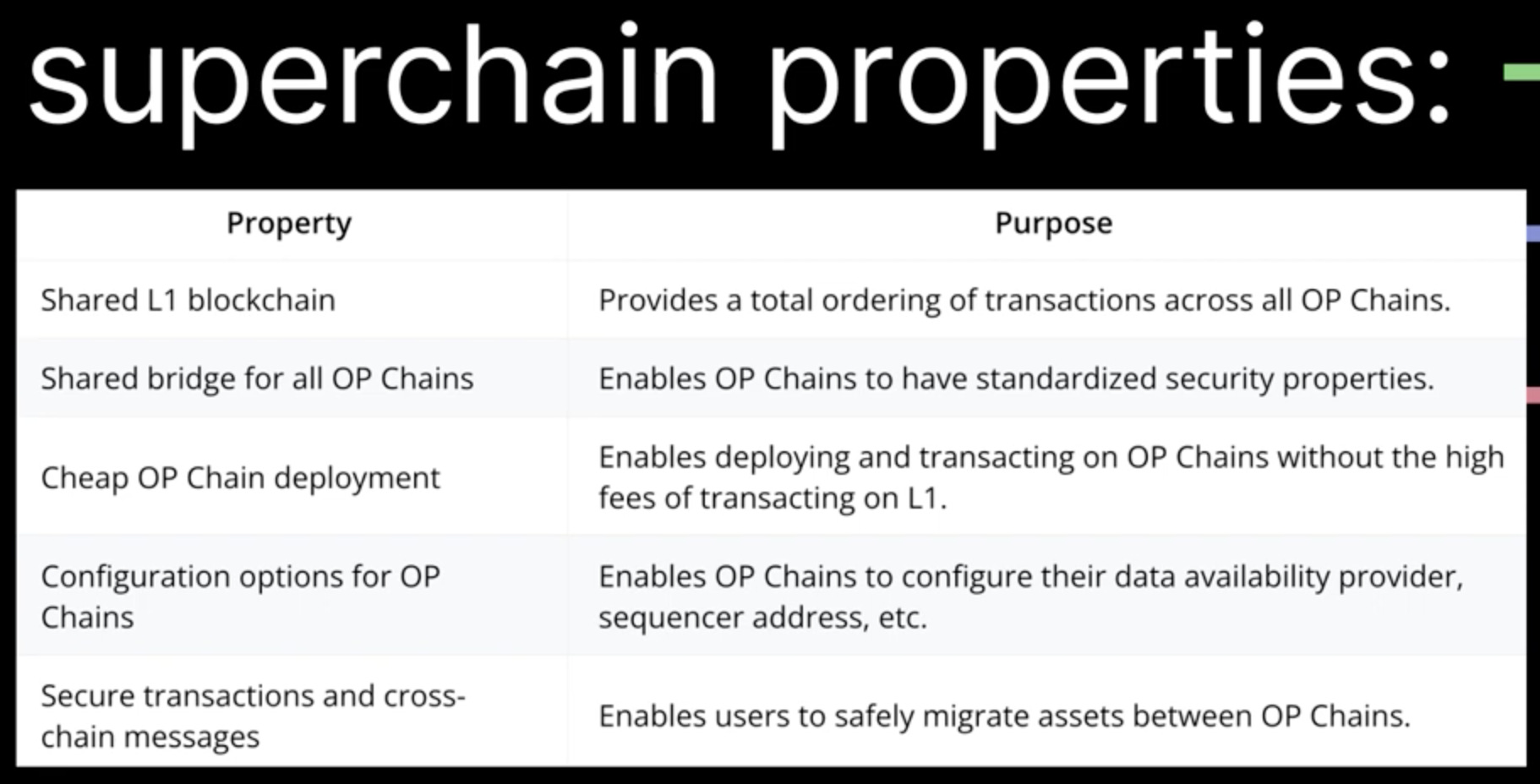
The goals are reducing fragmentation and moving toward crypto singularity.
Fragmentation to singularity: The Optimism Superchain aims to provide interoperability between different Layer 2 chains, abstracting away the notion of singular chains and creating a unified web of chains.
Mass Adoption: The current fragmented state of crypto makes onboarding difficult, but the Superchain could help provide a more unified experience and aid adoption.
Vertical Scaling: This represents a potential next step in the vertical scaling Layer 2 narrative around interoperability and user experience.
🔷 The Interoperable Future Superchain 🔷
Developing a shared technological stack like OP Stack allows Layer 2 chains to interconnect, reducing fragmentation and moving toward an interoperable future "Superchain" that can drive widespread adoption.
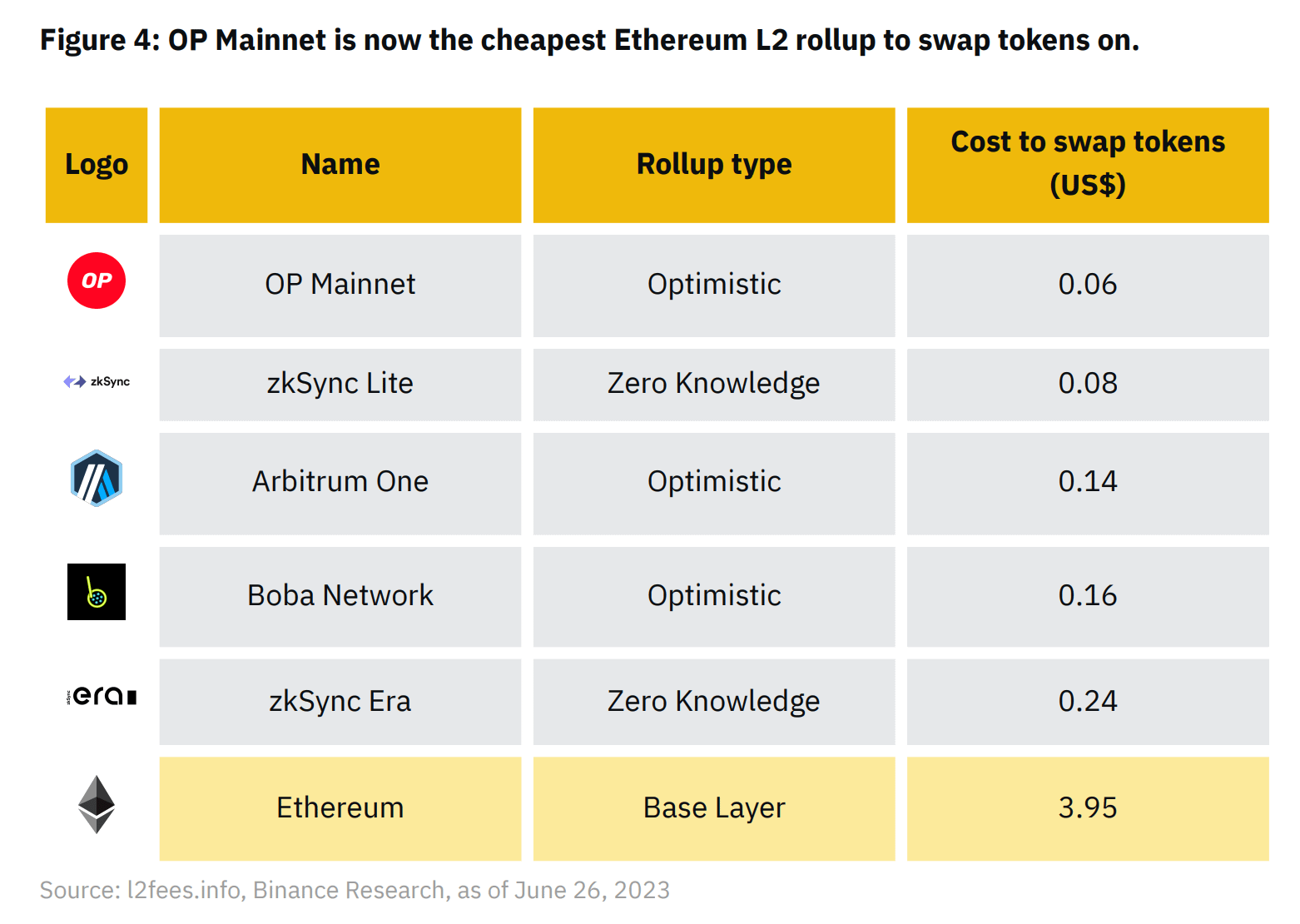
EIP-4844 (Proto-Danksharding) will improve data availability on Ethereum, reducing costs for Layer 2 rollups and enabling cheaper transactions.
Coinbase will use the Optimism stack (OP Stack) for its Base Layer 2, providing easy DeFi access for its 98 million users.
With a shared OP Stack, assets can move seamlessly between chains like Optimism and Base, reducing fragmentation.
The OP Stack allows building interoperable bridges between chains, connecting the Ethereum archipelago.
Layer 1s are like isolated islands, while Layer 2s present an interconnected archipelago with bridges between lands.
The OP Stack enables infinite new interoperable islands. This interconnectivity is key to adoption.
🔷 About OP Stack 🔷
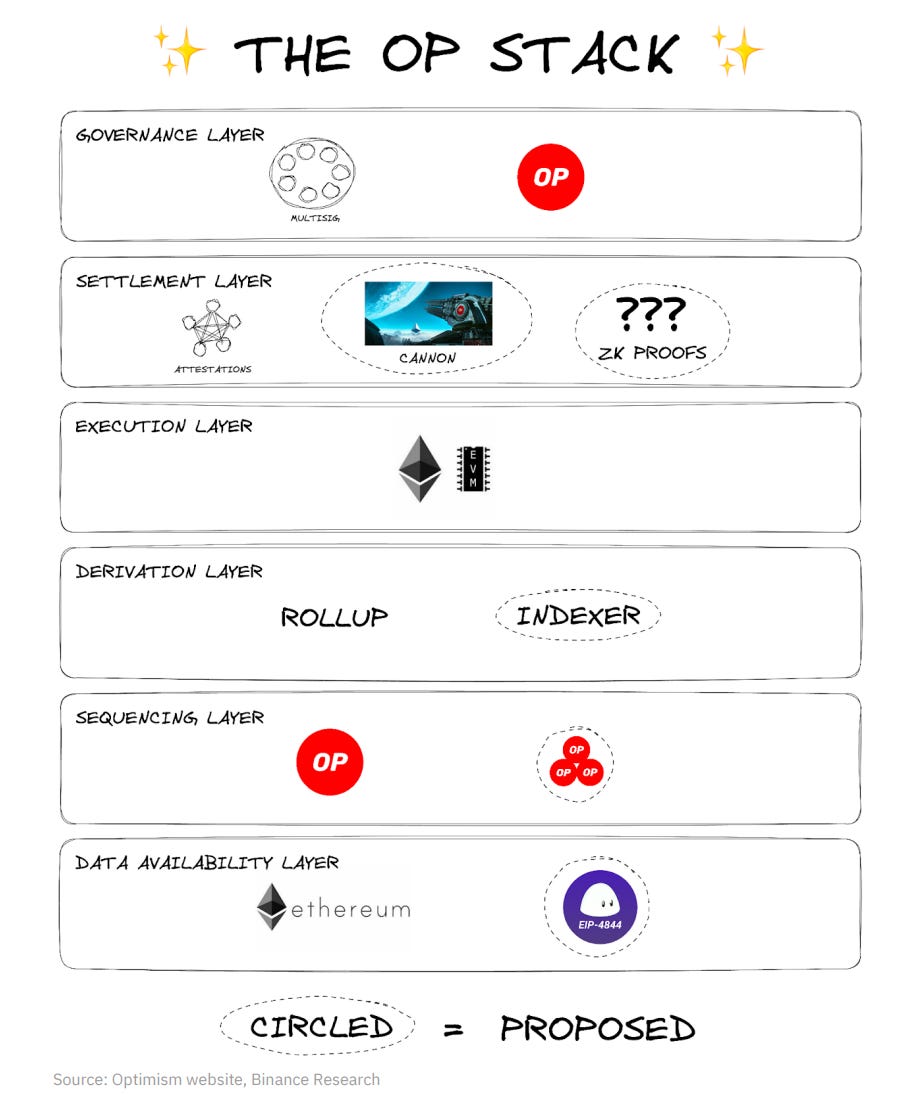
Key innovation of the OP Stack is creating an extensible, modular framework to standardize and accelerate building interoperable Layer 2 solutions.
This aims to avoid one-off fragmentation and promote an interconnected ecosystem.
It takes a different approach compared to typical Layer 2 solutions, which are often one-off scaling products.
Instead, the OP Stack provides an architectural framework for building Layer 2 chains:
It aims to modularize all the components of a Layer 2 into standardized, open-source modules.
This creates building blocks or lego pieces that can be used to construct new Layer 2 chains.
The modules cover components like fraud proofs, data availability, consensus mechanisms, etc.
By open-sourcing these modules, the goal is to create interoperable standards between chains.
This means new Layer 2s built on the OP Stack can easily interconnect, avoiding fragmentation.
It enables a "plug and play" approach to assembling new L2 chains rapidly.
🔷 App-Chain Thesis 🔷
The app-chain thesis that drove early growth in Cosmos is now coming to Ethereum through the Optimistic Rollup technology provided by the Optimism Virtual Machine (OVM) and Optimistic Protocol (OP) Stack.
Ethereum has significant advantages over other blockchains like Cosmos in terms of liquidity, users, developers, and applications. This makes Ethereum the probable center for future app chain growth.
The OP Stack allows developers to build customizable Layer 2 solutions by combining different modules. Two major projects using this are Base by Coinbase and Magi by a16z.
Base
Base aims to be a bridge bringing Coinbase's centralized exchange users into decentralized finance.
It is open source and aligns with Coinbase's goal of onboarding the next billion crypto users.
Magi
Magi is a new consensus client for the OP Stack founded by A16Z. It provides an alternative to the current OP-node client and promotes decentralization within Optimism's architecture.
A16Z developing Magi shows their commitment to advancing core crypto values like decentralization.
🔷 Conclusion 🔷
The Optimism Superchain represents the next step in Ethereum's journey to become the ubiquitous global settlement layer underpinning the internet of value.
It represents the next evolution in scaling and interoperability for Ethereum. By creating a standardized tech stack in the OP Stack, Optimism enables a network of interconnected yet customizable Layer 2 chains.
This modularity promotes collaboration and shared standards between projects, avoiding the fragmentation often seen in blockchain.
The Superchain could be a catalyst for mainstream adoption by presenting a unified web of Ethereum-based applications.
Twitter: https://twitter.com/arndxt_xo/status/1694307257474019824